/

Send us an emailinfo@mvmotion.com
© 2026 MV Motion All rights reserved.
All Research / Automotive & EVs, Robotaxis & Autonomy, +1 more
April issue of our newsletter highlights key Robotaxi Map updates: Tesla & Zoox expansions, Motional relaunch, service commencement in Dubai and Singapore, planned launches in the first EU countries Slovakia and Croatia, and limited rollout in Chengdu. We also comment on the most important news stories - Jensen’s Alpamayo demo, Terafab, and more. Dig in to stay on top!
The newsflow in robotaxis and humanoid robots can be overwhelming. Each month, Martin Viecha and the MV Motion team summarize the most important news stories, share our perspective, and comment on the latest deployments on RobotaxiMap.com. Stay on top of the industry in 5 minutes - or dig deeper, if you prefer!
This month, we present you with 8 exciting news story picks and 7 Robotaxi Map updates.
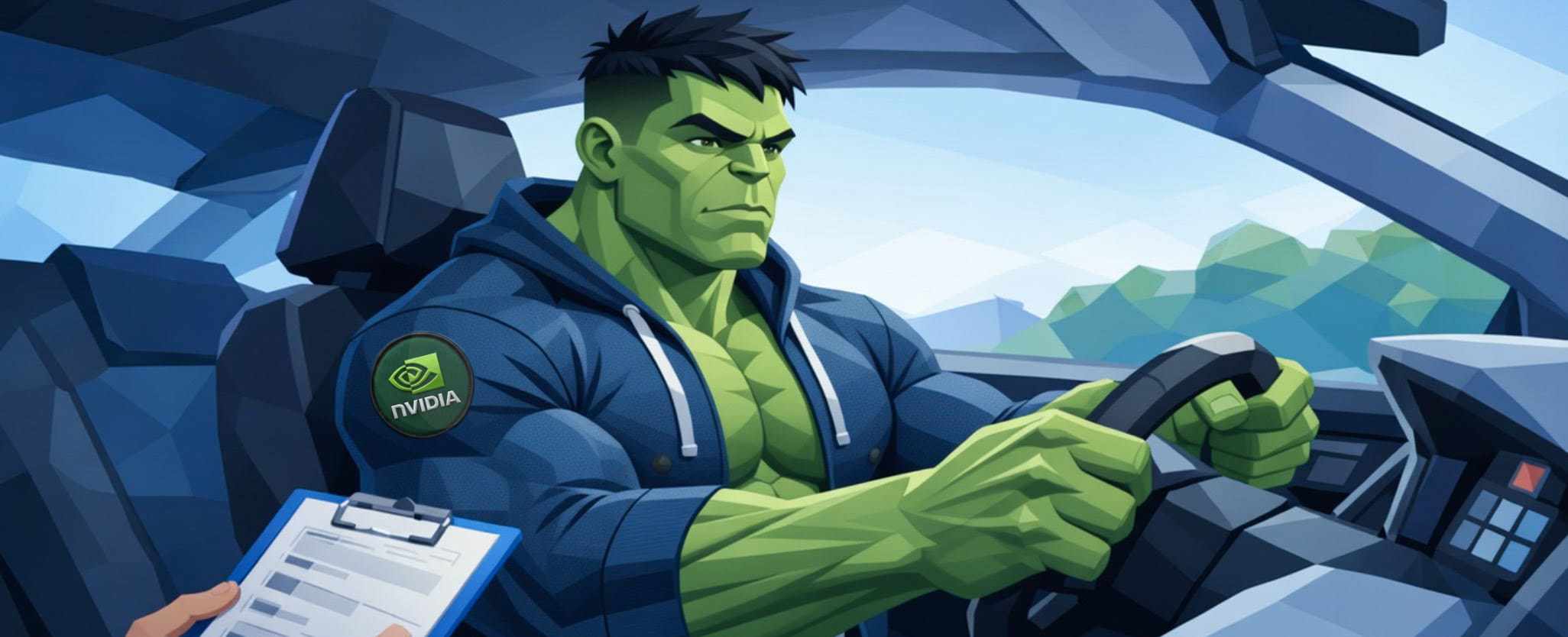
We finally got a better look at Nvidia DRIVE platform initially showcased at GTC in January in a video where Jensen Huang and Xinzhou Wu demonstrate smooth driving across San Francisco. Nvidia positions the platform as an open stack of reasoning-based VLA models, datasets, and simulation tools built for long-tail autonomous driving. The company has already secured a strong ecosystem of partners - spanning robotaxi and AV developers such as WeRide, Motional, or TIER IV, ride-hail platforms including Uber, Lyft, Grab, and Bolt, and OEMs such as Jaguar Land Rover, Lucid, BYD, Geely, Isuzu, Nissan, Hyundai, and Kia.
Nvidia’s Alpamayo is a bit of a kick in the hornet's nest when it comes to competitive landscape: There is this neverending debate whether the robotaxi industry will be dominated by 2-3 major players, or if there will be dozens of different robotaxi providers. If Nvidia's platform will help dozens of robotaxi companies become more competitive, essentially selling them the infrastructure that took others 5+ years to build, barriers to entry might have just declined. Nvidia positions itself as an ecosystem enabler. If it works as advertised, Alpamayo may do for autonomy development what open foundation models did for AI software: compress timelines and broaden who can compete.
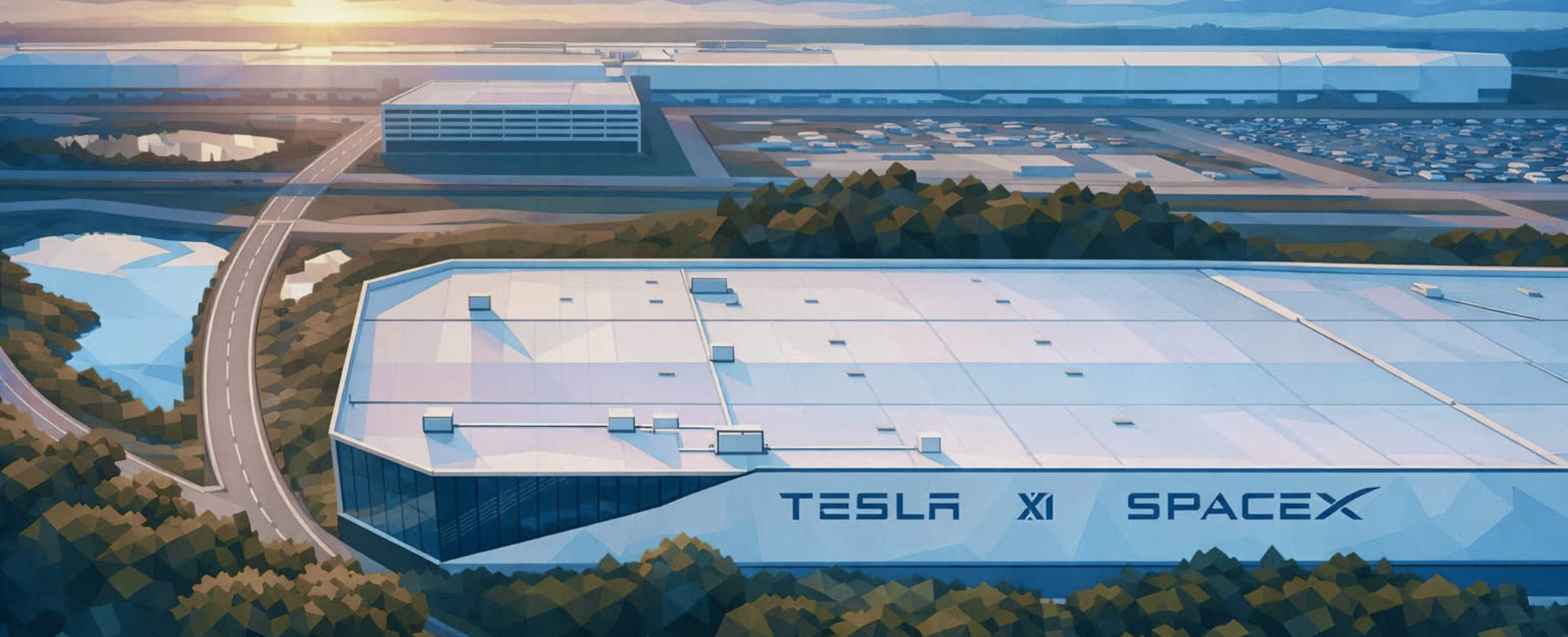
Elon Musk had announced Terafab, a massive $20–25B joint semiconductor fabrication project by Tesla, SpaceX, and xAI in Austin, Texas (at Giga Texas). The ambitious facility aims to produce over 1 terawatt of AI compute annually - roughly 50x current global advanced chip output - integrating design, fabrication, memory, and packaging under one roof. About 80% of production targets space-based orbital AI data centers, with 20% for terrestrial uses like Tesla's inference chips for vehicles, Optimus robots, and xAI.
It feels like groundwork being laid for a merger between SpaceX and Tesla. Historically, Tesla was clear that there's not enough overlap between SpaceX and Tesla to justify a merger. Well that might be changing now, with Tesla designing chips, xAI working on AGI and SpaceX aiming to build data centers in space. The writing is on the wall. More about the mechanics of a potential merger here: Could SpaceX and Tesla merge? How and Why?
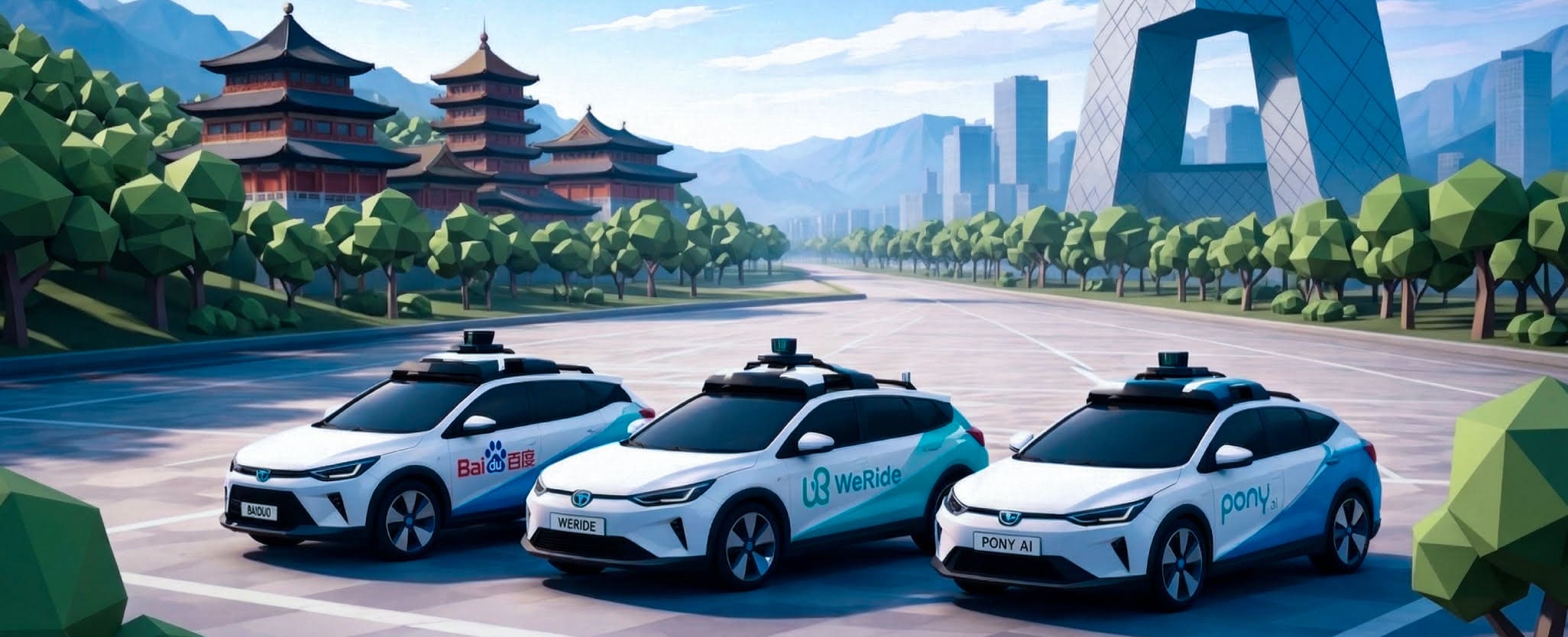
Baidu, WeRide, and Pony are all now pursuing robotaxi scale through breakeven unit economics rather than just mileage or fleet growth. In February, Baidu disclosed that Apollo Go achieved unit-economics breakeven in Wuhan by Q4 2025; WeRide has reported moving towards positive unit economics in its driverless operations in Abu Dhabi last year; and Pony says its Gen-7 fleet first reached city-wide breakeven in Guangzhou and has now also achieved breakeven in Shenzhen. Together, that suggests China’s top robotaxi players are starting to prove commercial viability in specific dense urban markets, not just in pilots.
Many investors are concerned that robotaxi business will remain a money pit for some time: Becoming profitable in China is not easy as the robotaxi companies charge well below $1 per mile (compared to Waymo's $4+ per mile). Getting to positive unit economics means that safety drivers cannot be used and teleoperation must be rare. It seems that some robotaxi companies are making an extra effort to show that their robotaxis will ultimately be profitable as a whole. Since shares of Baidu, Pony.ai and WeRide are well below their all time highs, they seem to be trying to establish that robotaxis will become a viable business.
Ubtech humanoid business is starting to look commercially real: the company sold about $120 million of full-size humanoid robots in 2025, making it its largest revenue stream. That momentum is being backed by real factory-floor validation, with Airbus signing on for aviation manufacturing, Texas Instruments partnering earlier, and Foxconn having trialed Ubtech robots in production settings (among numerous other deployments in China). Meanwhile, AgiBot’s 10,000 cumulative deliveries - with 5,000 reached in just the last three months - showcase how quickly demos can shift to genuine manufacturing scale.
The demonstrated scale is impressive, but what work are these humanoids actually doing? As we have written in the past (Humanoid Robots: Primer), it is still incredibly hard to make a humanoid robot replace labor, even when it comes to the most basic manual tasks. This is mainly due to both speed and consistency of correct task execution. All of that said, while many humanoid companies are showing off sleek-looking demos, some humanoid companies in China are shipping products and that is something to take a note of. Lastly, it is quite possible that US and EU companies will hesitate to bring Chinese robots to their factories, similarly to what happened with Chinese robotaxis that used to test vehicles in the US.
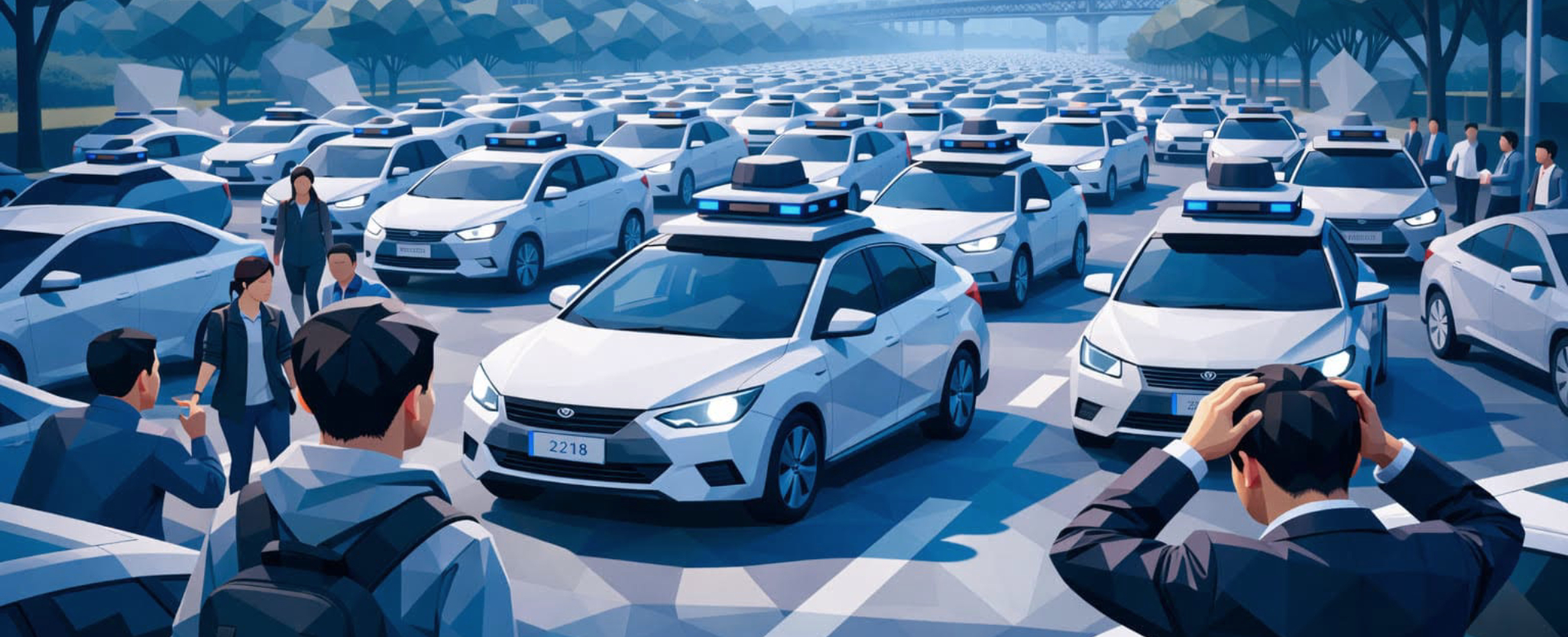
More than 100 Baidu Apollo Go robotaxis abruptly stopped across Wuhan after a system malfunction, according to local police. The outage disrupted traffic, with some vehicles stranded in live lanes and some passengers stuck inside until they could exit or get help. No injuries were reported, and the cause remained under investigation.
Despite no injuries took place, this incident is a reminder that scaling robotaxi fleets also scales operational risk: when systems fail, the disruption can be immediate and highly visible. It is the kind of event that can quickly dissipate public trust and evoke regulatory scrutiny on company-wide level. Cruise is a prime example of such risk. Waymo, on the other hand, is an outlier when it comes to creating positive safety perception by publishing regular safety data. Waymo's safety record of reducing injuries by 90% over 100s millions of miles travelled unequivocally shows that Waymo robotaxis are far safer than humans and save lives. Other robotaxi companies need to follow suit.
BYD’s recent “5-minute charger” push is moving from headline claim to rollout. In March last year, BYD unveiled its Super e-Platform, claiming up to 400 km of range in 5 minutes via 1,000 kW charging, initially on the Han L and Tang L platforms. Now, BYD escalated that with second-generation Blade Battery + FLASH Charging, promising 10-70% charge in 5 minutes (and 97% in 9 minutes), and plans for 20,000 FLASH stations in China, with global rollout starting by end-2026.
While people need to fill up their tank every week, EV owners outside of urban areas use Superchargers rarely. The final excuse of "but it takes me just 4 minutes to fill up my car" is now gone: That said, such fast EV charging demands huge power availability, expensive site design, and serious grid optimization to scale economically. Tesla’s Semi Megacharger shows the same issue in the US: megawatt-class charging looks impressive, but the strain it puts on local grids will inevitably result in a slow network rollout, unless of course, the utilities and storage systems keep up. This may be plausible in China, but we would be cautious about expecting other countries to keep up.
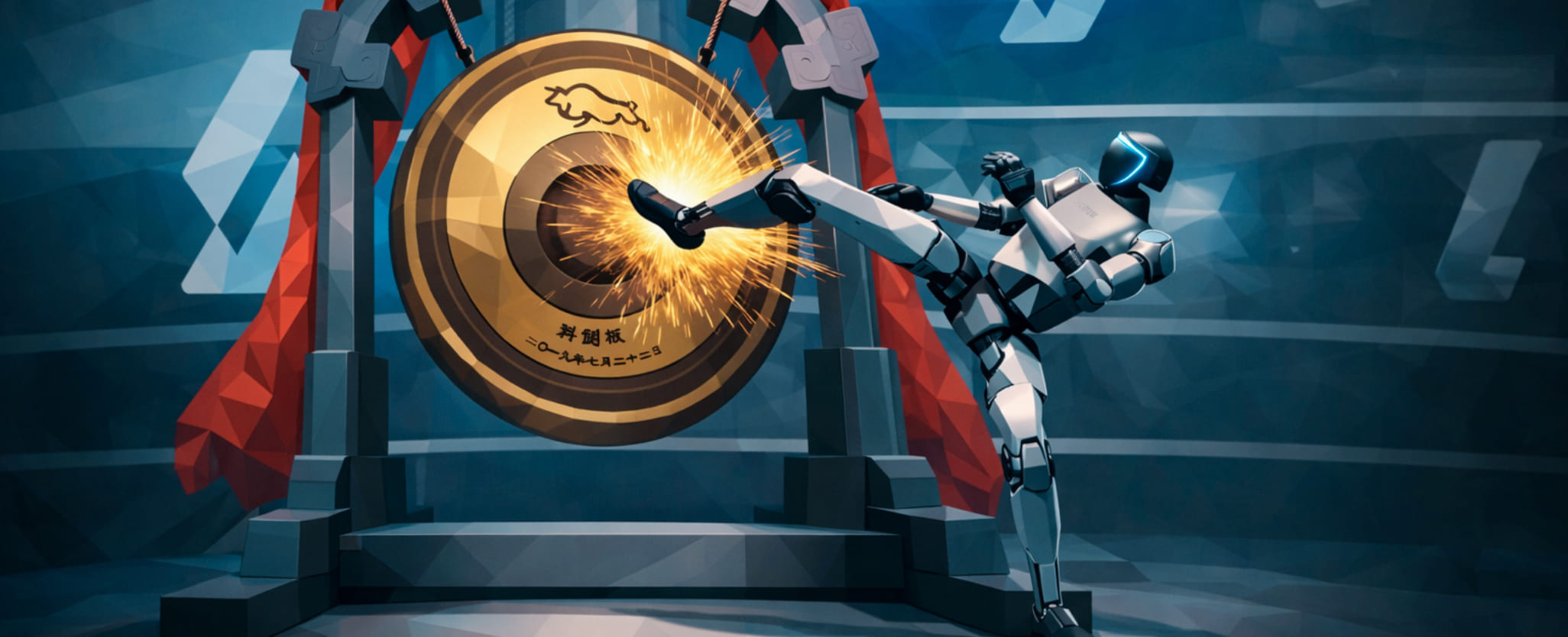
Unitree Robotics has filed for an IPO on Shanghai’s STAR Market, seeking to raise about RMB 4.2B (around $610M). Its prospectus says the proceeds would fund robotics AI models, new product development, and manufacturing expansion. The filing also disclosed rapid growth in 2025, with revenue rising 335% YoY, while humanoid robots accounted for 51.5% of sales in the first nine months of the year. The listing still requires regulatory approval.
Humanoid race goes public, with Unitree's valuation of up to $7B, similar to already public UBTECH Robotics: On one hand, Unitree's valuation is poised to be materially smaller than Figure AI's most recent valuation of $39B, yet Unitree is shipping thousands of robots already, while Figure AI is still in testing phase. That said, selling humanoid robots in the US will ultimately be far more lucrative, given labor cost in the US is multiple times higher than labor cost in China, so US-based humanoid robot companies should continue to have a valuation advantage here. It will be interesting to see investor's humanoid market sentiment through share prices of Unitree and UBTECH (soon followed by AgiBot).
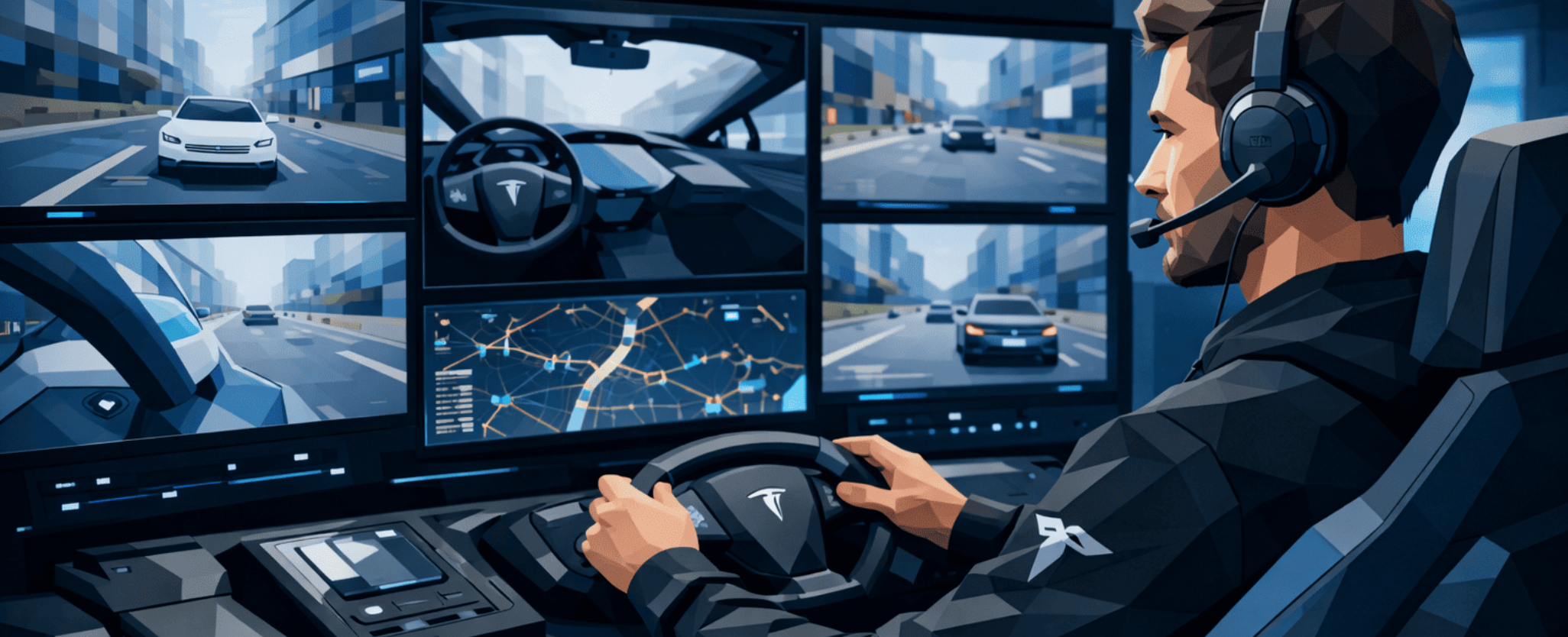
Tesla’s recent disclosures drew attention because the company acknowledged that, in certain situations, its vehicles can be remotely driven at very low speeds sometimes. The admission came in a written response to Sen. Ed Markey after a Senate hearing on autonomous vehicles. This is different from the remote assist used by Waymo or Zoox, in which teleoperators never actually take over the vehicle's steering.
It seems that the first and the last 30 seconds of each drive are the most challenging: It is becoming increasingly clear that pick ups and drop offs are hard. Waymo has a detailed map of all the possible pick up and drop off locations in each city. This is where human situational awareness helps a lot. Ultimately, Tesla will need to map all of those pick up / drop off points to reduce teleoperation intensity and thus cost. Most importantly, it will be important to move towards "remote assist" where teleoperator simply answers clarification questions prompted by the robotaxi, just like we see with Waymo, Zoox or Baidu.
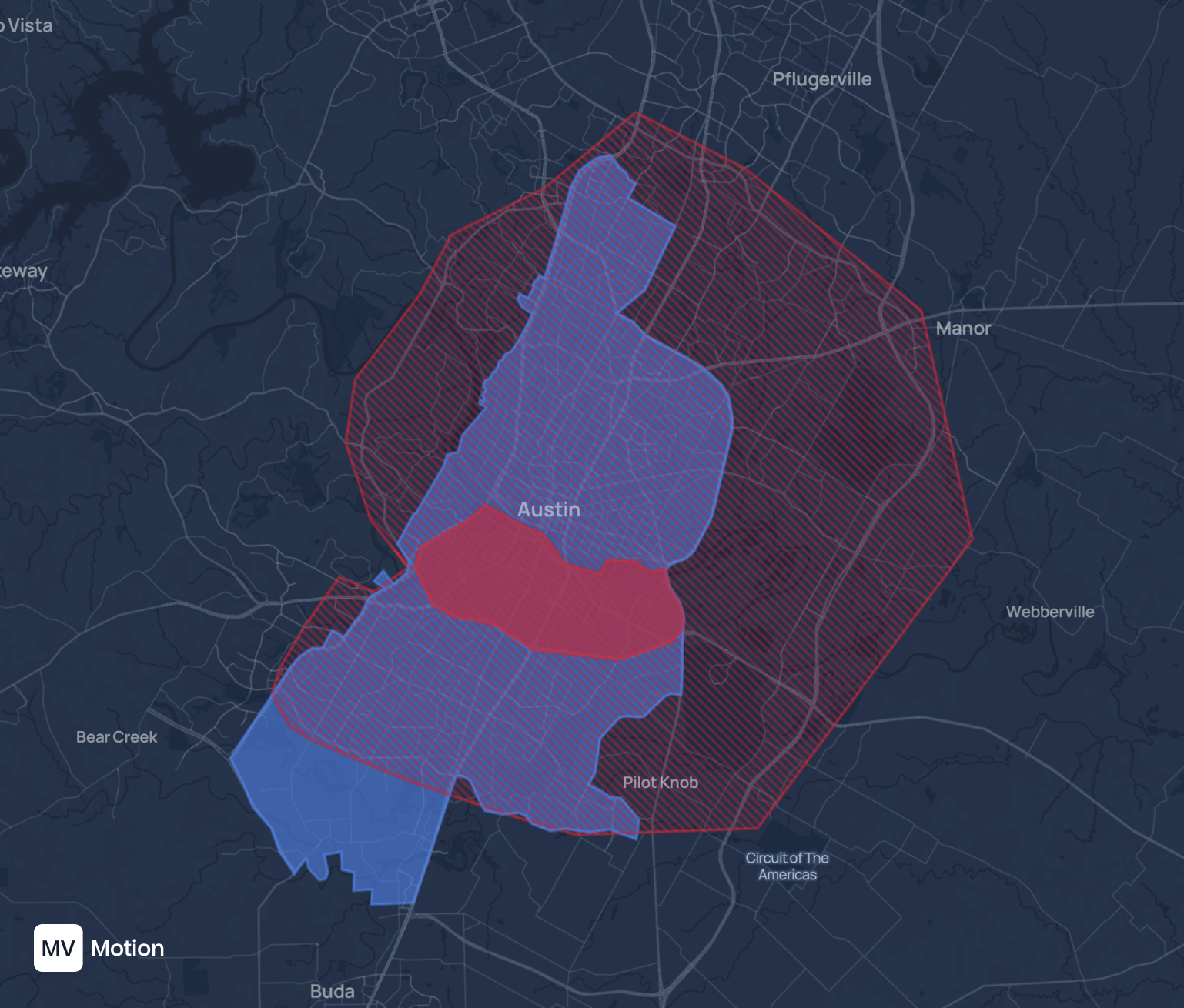
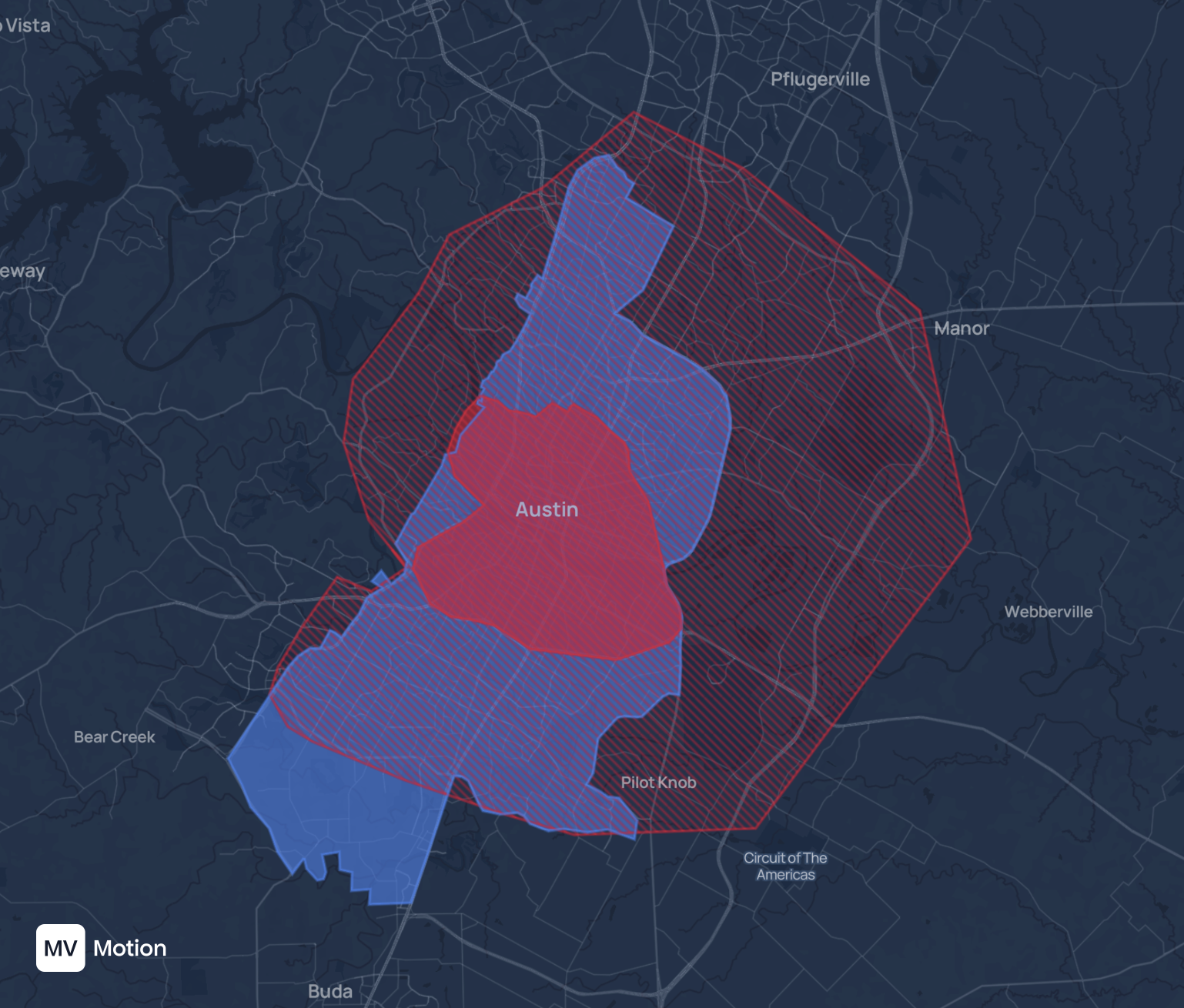
According to independent reports on x.com, Tesla has recently expanded the geofence for its unsupervised robotaxi rides in Austin, pushing beyond its initial launch zone and extending service into more complex urban territory, including downtown. The move suggests Tesla is gaining confidence in deploying driverless rides across denser, higher-friction environments, even as the fleet still appears limited in size.
Tesla's old unsupervised geofence in Austin vs Waymo
Source: RobotaxiMap.com
Tesla's new unsupervised geofence in Austin vs Waymo
Source: RobotaxiMap.com
Zoox is broadening its U.S. footprint on multiple fronts: it is quadrupling its San Francisco geofence into neighborhoods including the Marina, North Beach, Pacific Heights, or Chinatown, while also adding more pickup and drop-off coverage in Las Vegas along the Strip and near major hotels and the convention center. At the same time, Zoox is moving into Austin and Miami, where it plans to begin robotaxi testing as the next step toward wider multi-city commercialization, alongside its new Uber partnership that will place Zoox robotaxis on the Uber network starting in Las Vegas.
Zoox's old geofence in San Francisco
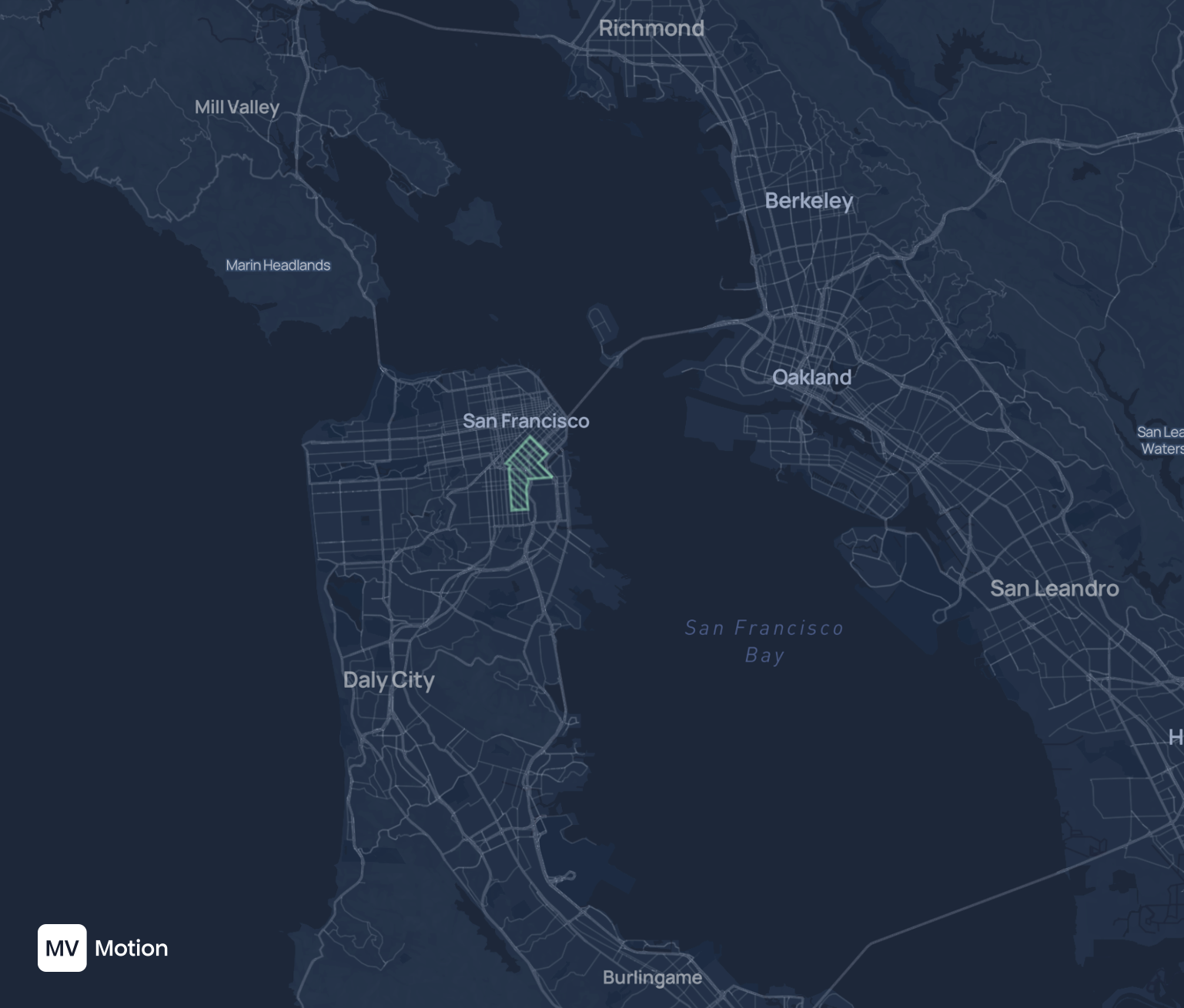
Source: RobotaxiMap.com
Zoox's new geofence in San Francisco
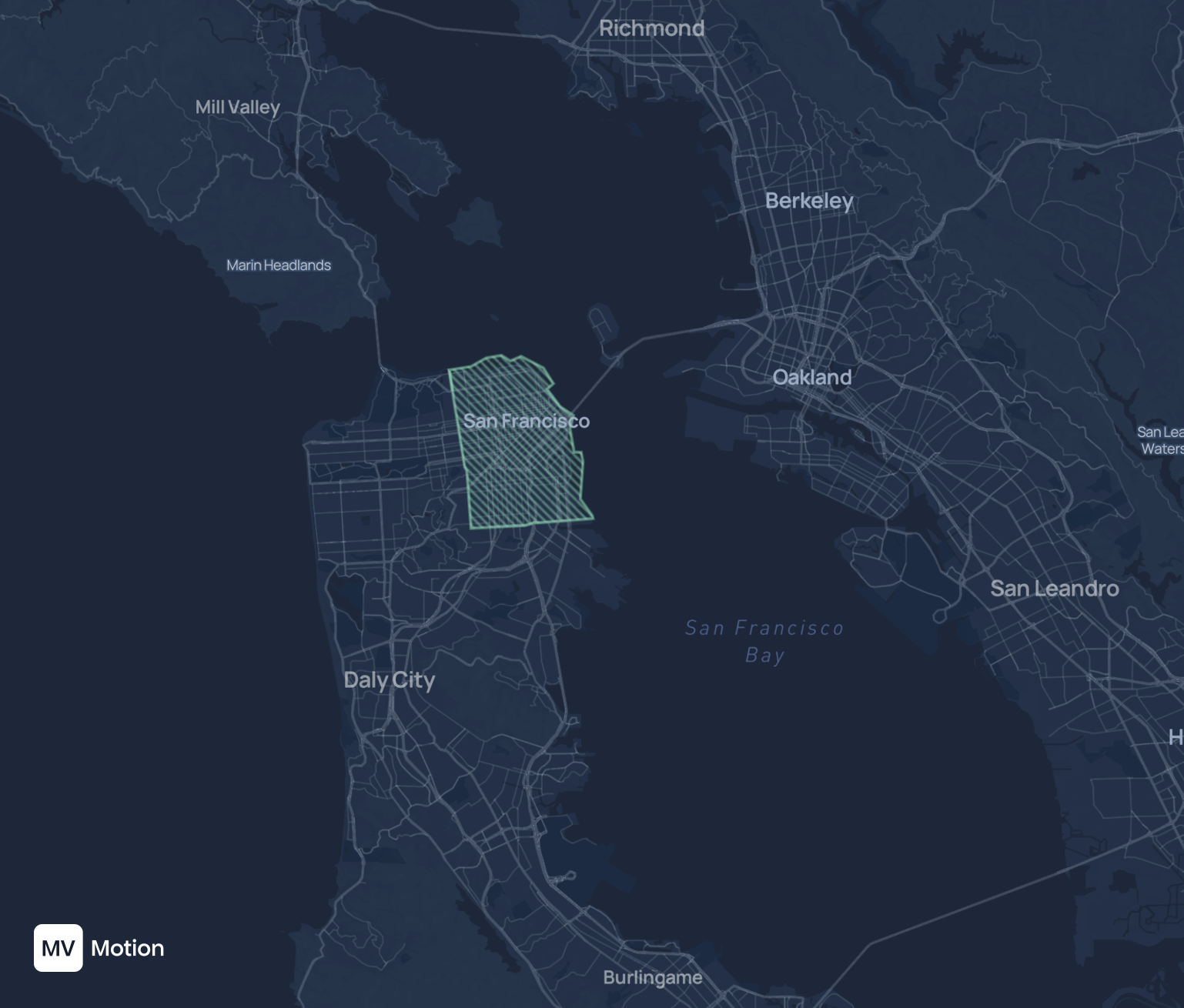
Source: RobotaxiMap.com
Zoox's old geofence in Las Vegas
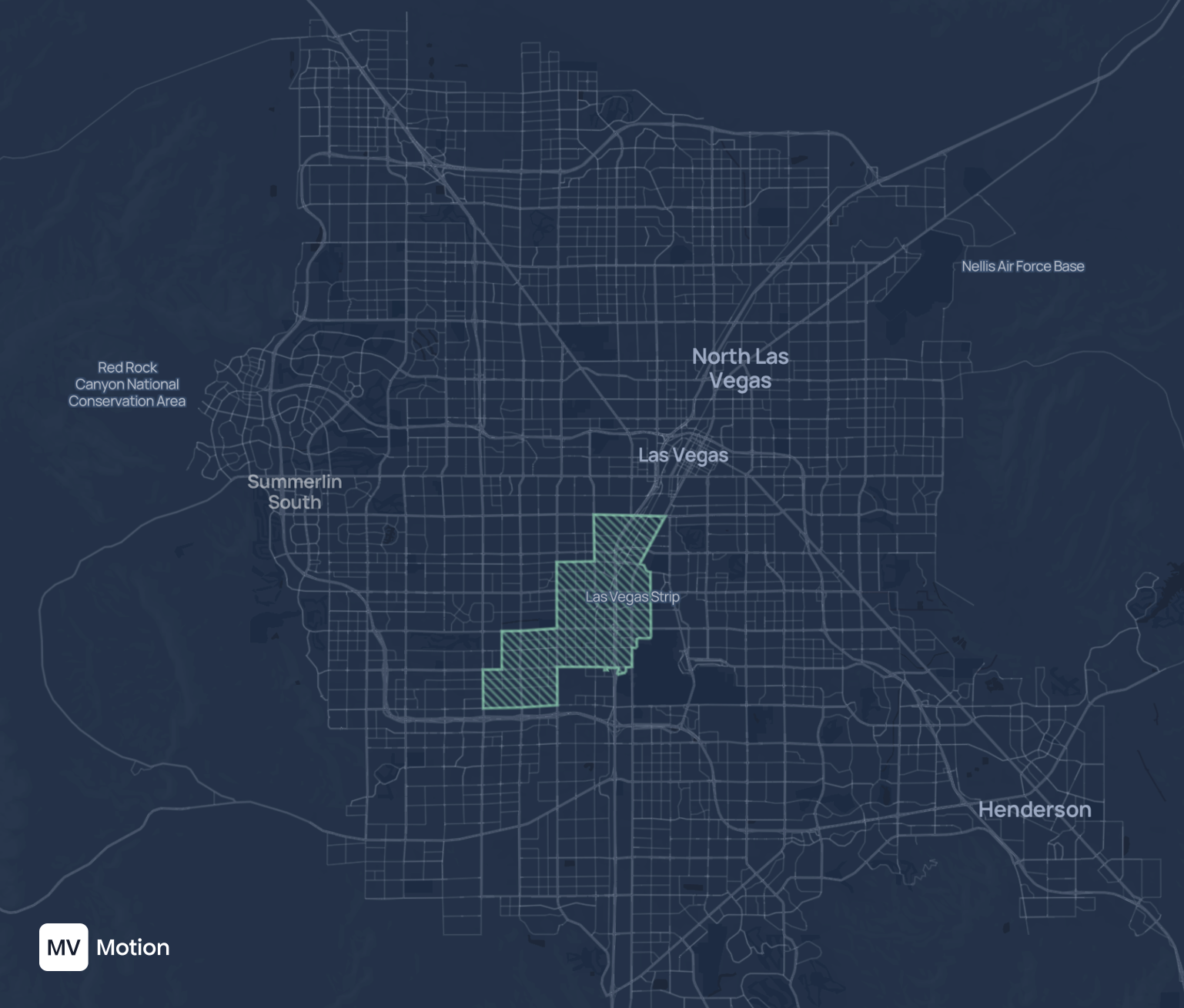
Source: RobotaxiMap.com
Zoox's new geofence in Las Vegas
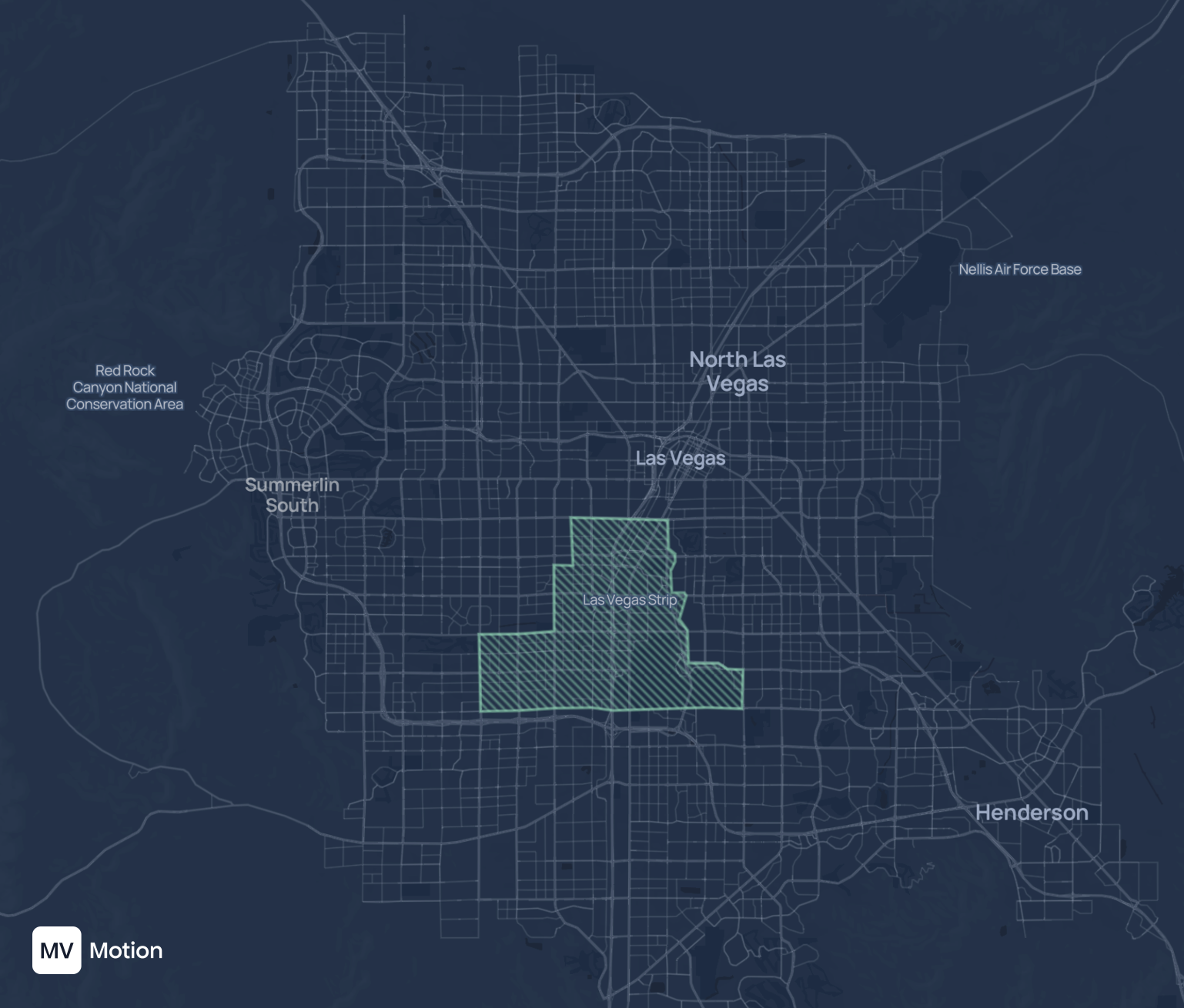
Source: RobotaxiMap.com
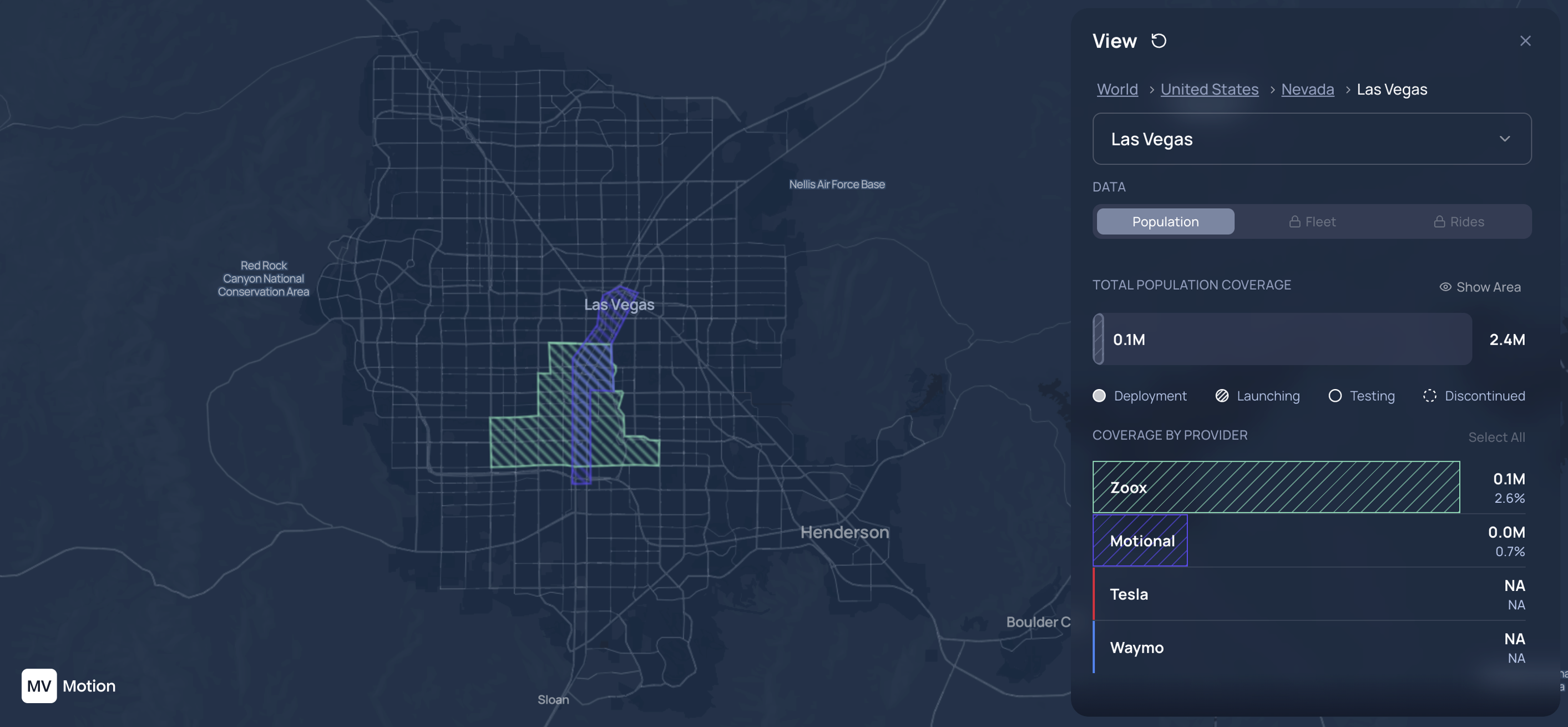
Motional has relaunched its commercial robotaxi service in Las Vegas through the Uber app, with a safety driver, returning its Hyundai IONIQ 5 vehicles to public ride-hailing after pausing operations in 2024. The service covers core tourist and commercial corridors, including much of the Strip, major hotel-casino pickup areas, downtown Las Vegas, and Town Square near the airport. The main change is commercial rather than technical: Uber has replaced Lyft as Motional’s dispatch partner, while the relaunch marks the company’s return to the market after a broader strategic reset.
Motional's estimated relaunch geofence reconstructed from public announcements
Source: RobotaxiMap.com
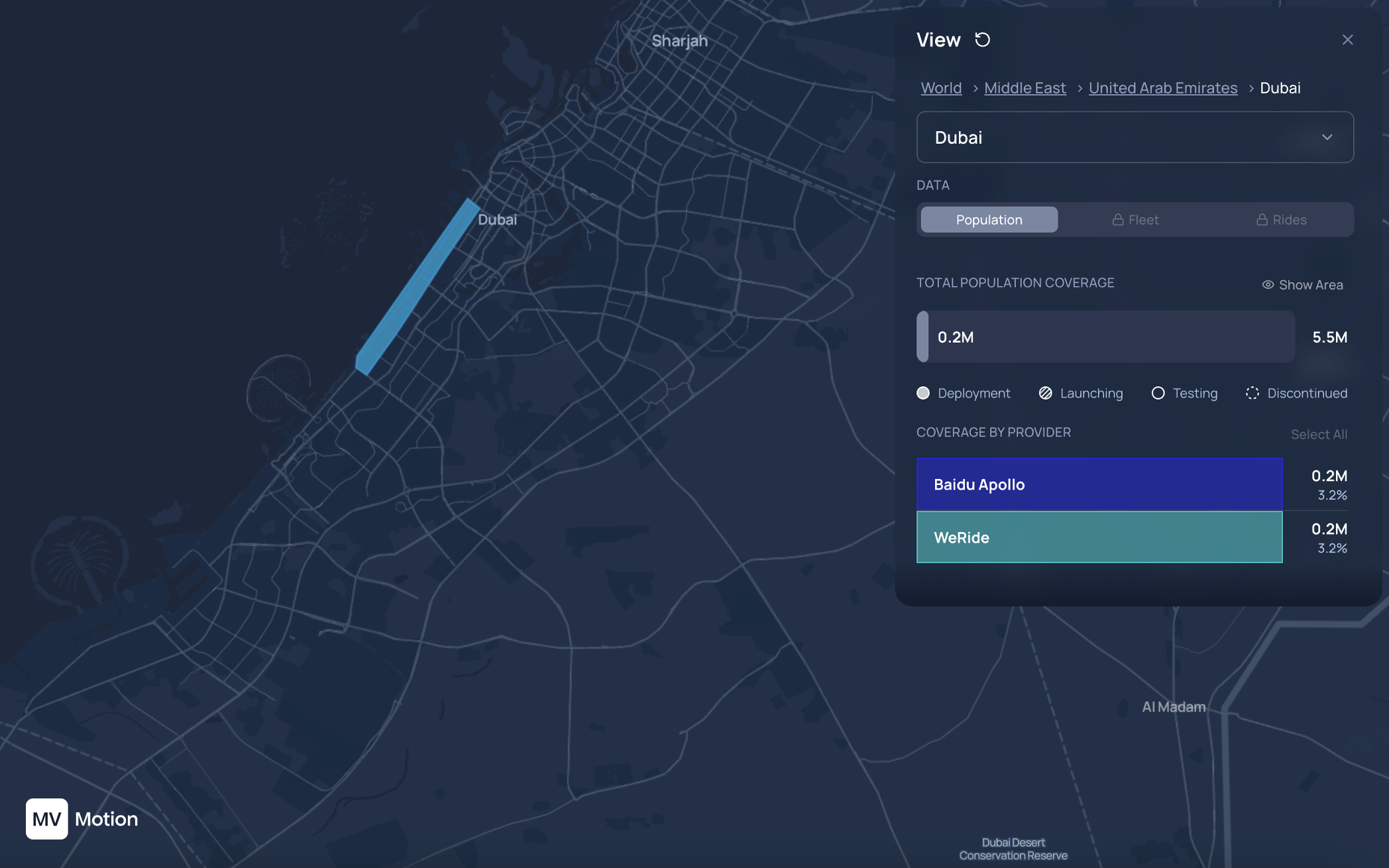
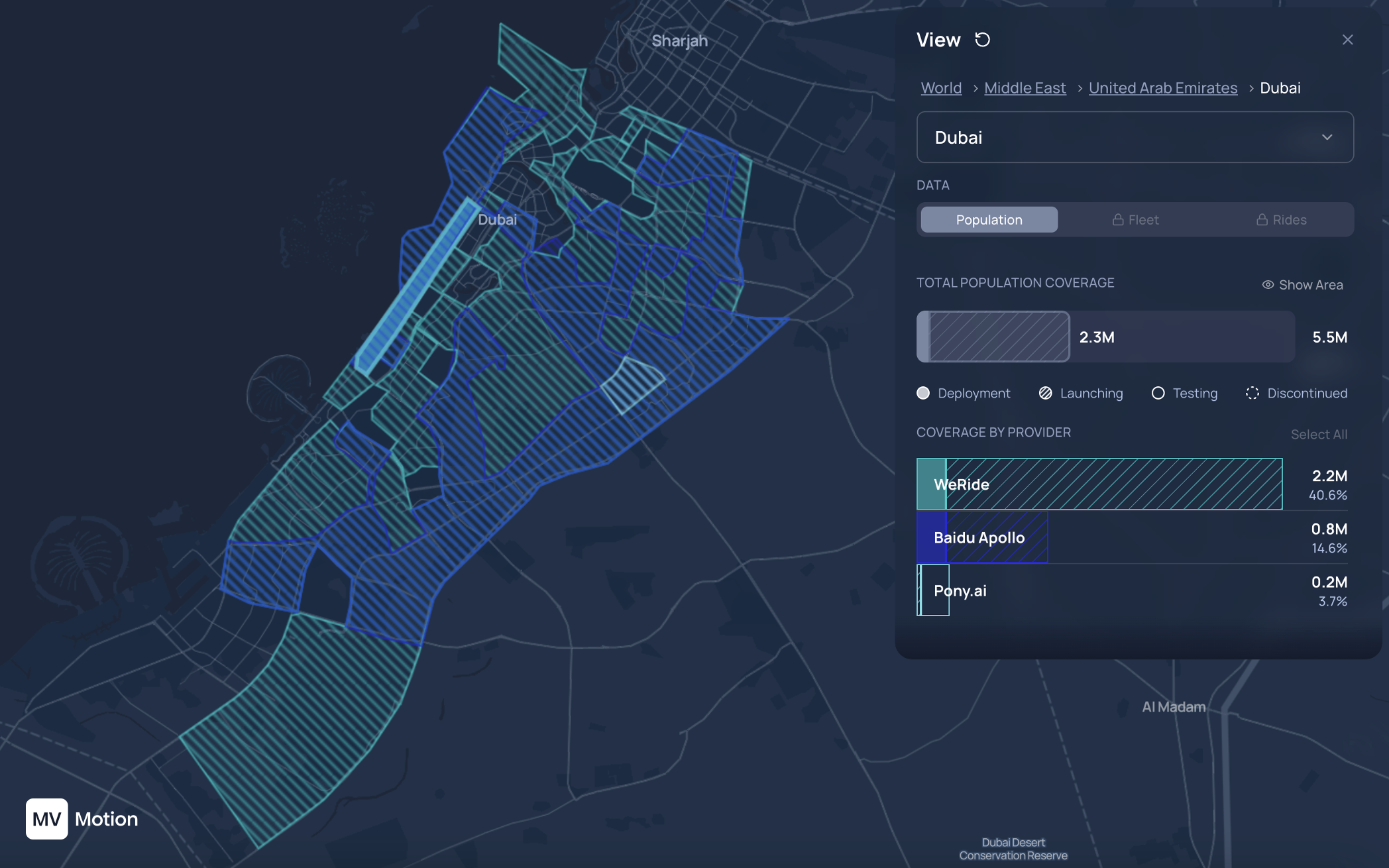
Dubai’s robotaxi rollout accelerated this week with WeRide and Baidu Apollo Go both moving into unsupervised public commercial service. WeRide launched fully driverless (although our ride in Dubai had a safety driver), fare-charging rides via Uber, initially covering a small rectangle in the city. The company had also disclosed that the majority of Dubai will soon be covered and extensive testing is underway across other city zones.
Baidu, meanwhile, launched through both the Apollo Go app and Uber, also starting in exactly the same area as WeRide; in parallel, it is working with Dubai Taxi Company for local operations. Pony.ai is expected to complete the trio with a commercial launch later this month, according to the latest quarterly earnings release, during which it also announced fare-charging in Doha. Following the launches in Abu Dhabi and pilots in Ras al Khaimah, the UAE is gearing up to be a region with one of the highest robotaxi penetrations globally.
WeRide's and Baidu's deployment area in Dubai
Source: RobotaxiMap.com
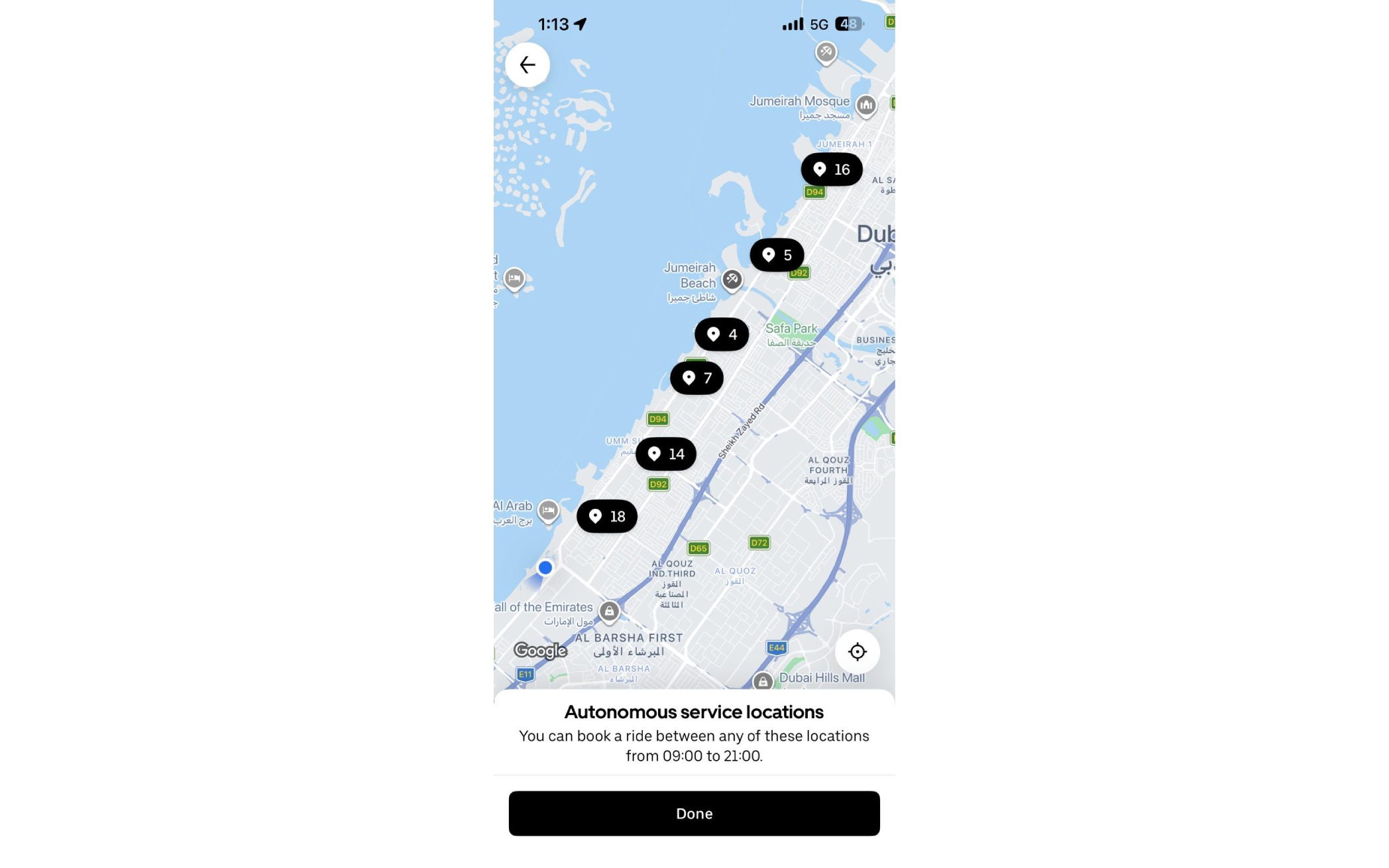
Current autonomous pickup locations in Dubai
Source: MV Motion
WeRide's, Baidu's, and Pony.ai's upcoming expansions in Dubai
Source: RobotaxiMap.com
Europe’s robotaxi race took a meaningful step forward in March. WeRide announced it will enter Slovakia, starting supervised tests in Bratislava in H1 2026 before expanding to Košice and High Tatras, with the goal of deploying 100+ robotaxis in a driverless commercial service (as well as other autonomous vehicles). Pony, meanwhile, announced rollout in Croatia: Zagreb first, via partners Verne and Uber, with testing already underway and broader European expansion planned. Notably, Verne’s new Pony tie-up appears to mark a shift away from its earlier Mobileye-based plan. Could these deployments serve as a blueprint to EU-wide rollout? Hopefully.
WeRide's tests in Slovakia
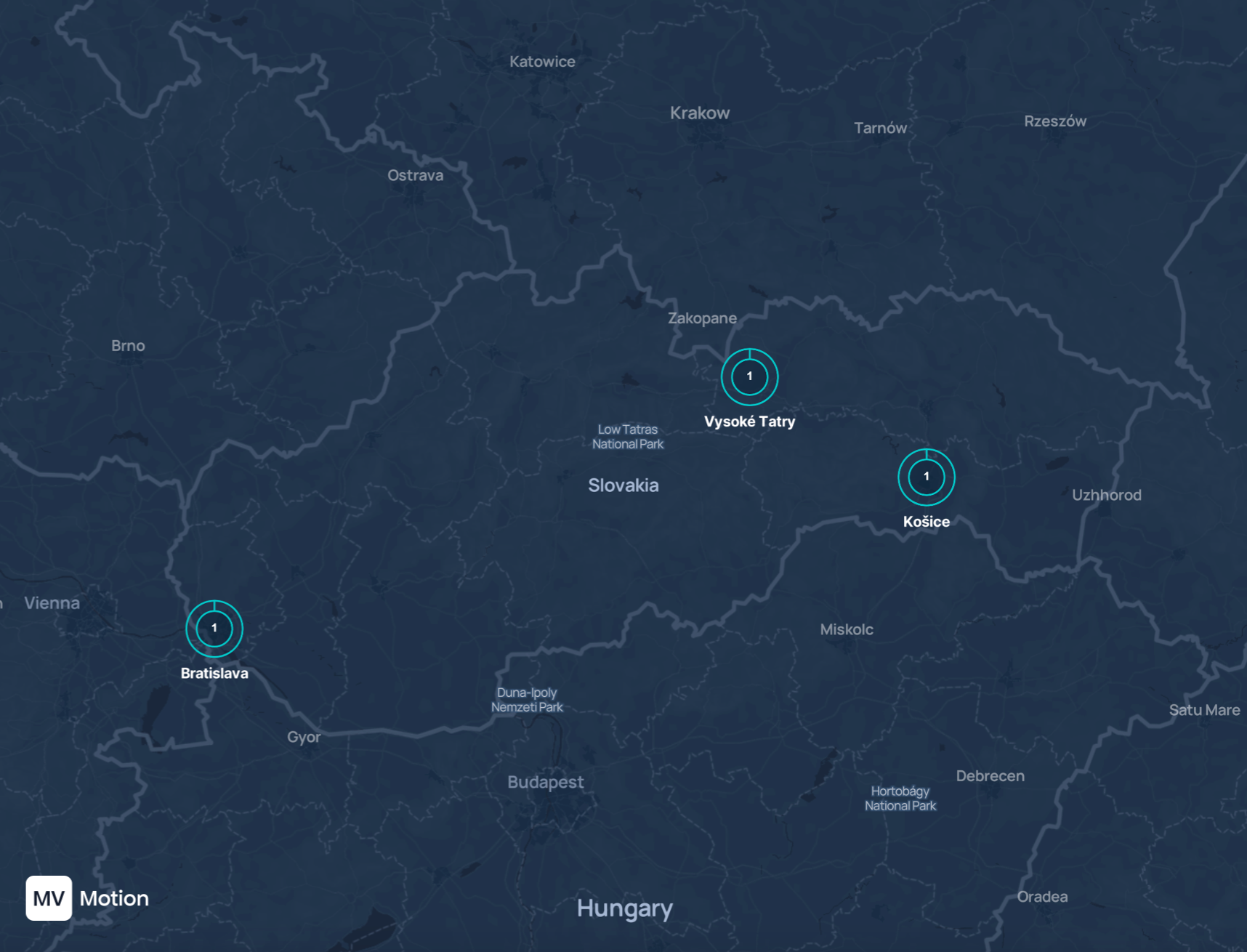
Source: RobotaxiMap.com
Pony's launch in Croatia
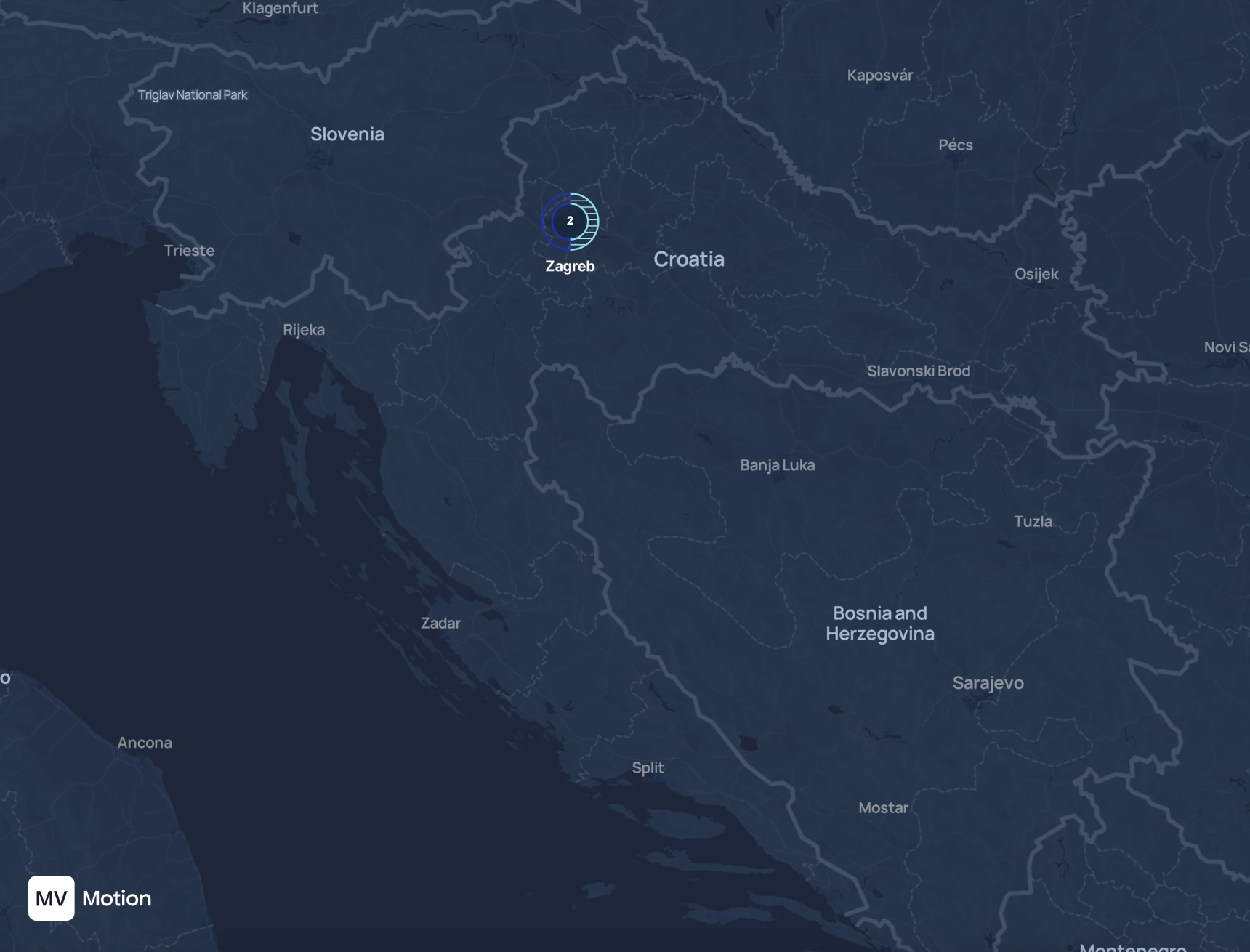
Source: RobotaxiMap.com
WeRide and Grab have now opened Punggol’s autonomous shuttle service (closed point-to-point loop) to the public, with rides currently free until fare-charging commercial service begins in mid-2026. Pony also announced on their earnings call that they launched robotaxis with ComfortDelGro, but earlier reports suggest that Pony's service would also be a shuttle-style robotaxi service. Unlike Motional’s older Singapore pilot (then called nuTonomy), these Punggol deployments cover smaller zones, but are designed as genuine neighborhood launches tied to real daily mobility.
WeRide's and Pony's autonomous shuttle area in Punggol, Singapore
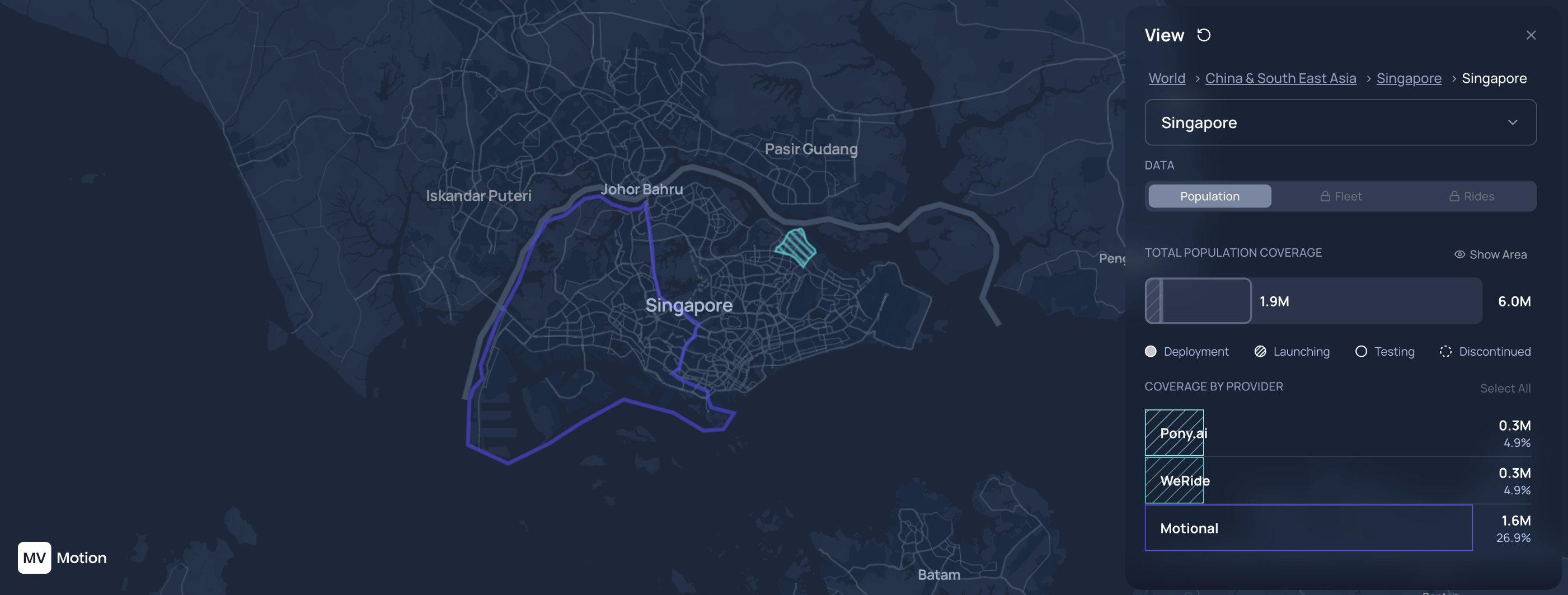
Source: RobotaxiMap.com
Baidu’s Apollo Go has made robotaxi rides app-bookable in Chengdu, with users able to hail themed routes between key scenic spots as a part of the local Peach Blossom Festival. We know that Baidu has been trialing in Chengdu on and off for years, but it is yet unclear if this is another temporary service, or if it is a move towards a more permanent operation. Additionally, in its end of the year report, Baidu also announced to have entered South Korea - Seoul in particular. However, no further disclosures were made after that to indicate how much the roll-out progressed since.
Baidu's geofence in Chengdu based on the Apollo Go map
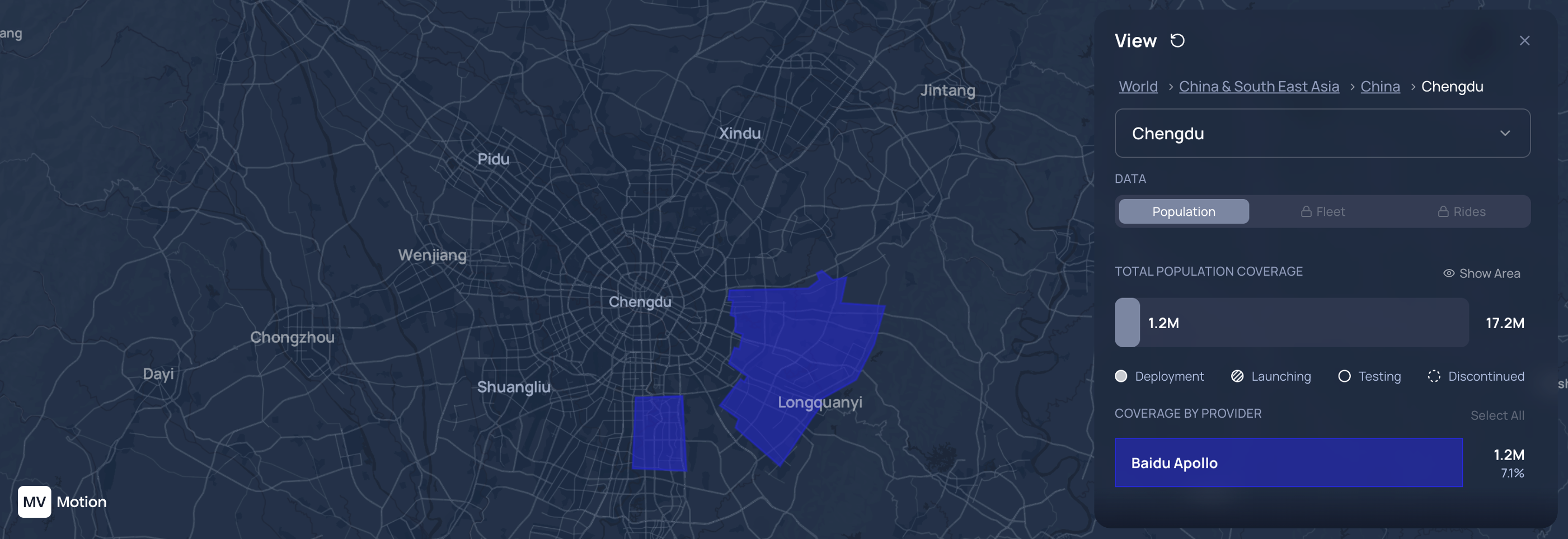
Source: RobotaxiMap.com
Disclaimer
This report and the information within are not investment advice or an offer to sell or a solicitation of an offer to buy any security or other financial instrument. Neither the Firm nor any person related to the Firm (“We” or “Our”) are offering, selling or buying any security to or from any person through this research report. We do not provide investment advice. You understand and agree that We do not have an investment advisory relationship with you and do not owe you any fiduciary duty. You agree that use of the research presented in this report is at your own risk and that you will do your own research and due diligence beforemaking any investment decision regarding any securities related to any issuer(s) discussed herein (“Covered Issuer”) or any other financial instruments that reference the Covered Issuer or any securities issued by the Covered Issuer. You represent that you have sufficient investment sophistication to critically assess the information, analysis and information presented in this report. You further agree that you will not communicate the contents or information in this report to any other person. This report reflects and expresses Our analysis as of the time of the report only. This report is based on generally available information, field research, inferences and deductions through Our due diligence and analytical process. To the best of Our ability and belief, all information contained herein is accurate and reliable, is not material non-public information, and has been obtained from public sources that We believe to be accurate and reliable. Further to the best of Our ability and belief, all information has been obtained from sources that are not insiders or connected persons of any Covered Issuers or who may otherwise owe a fiduciary duty, duty of confidentiality or any other duty to the Covered Issuer (directly or indirectly). However, such information is presented “as is,” without warranty of any kind, whether express or implied. With respect to the report, We make no representation, express or implied, as to the accuracy, timeliness, or completeness of any such information or regarding the results to be obtained fromits use. Further, this report only contains Our analysis and information. All information in the report is subject to change without notice, and We will not update or supplement this report or any of the information, analysis or information contained therein. We generally invest in broad based and sector related indexes, typically via mutual funds and exchange traded funds. As of the publication date of this report, We also have positions in Tesla, Nvidia, and other individual companies. Thus, We will realize gains if the prices of these securities appreciate. We may trade in Tesla and/or Nvidia stock, the other securities, or the indexes after this report, and such position(s) may be long, short, or neutral at any time hereafter regardless of the comments, information, or views stated in the report. We will not update this report or information to reflect changes in any positions held or any trades.